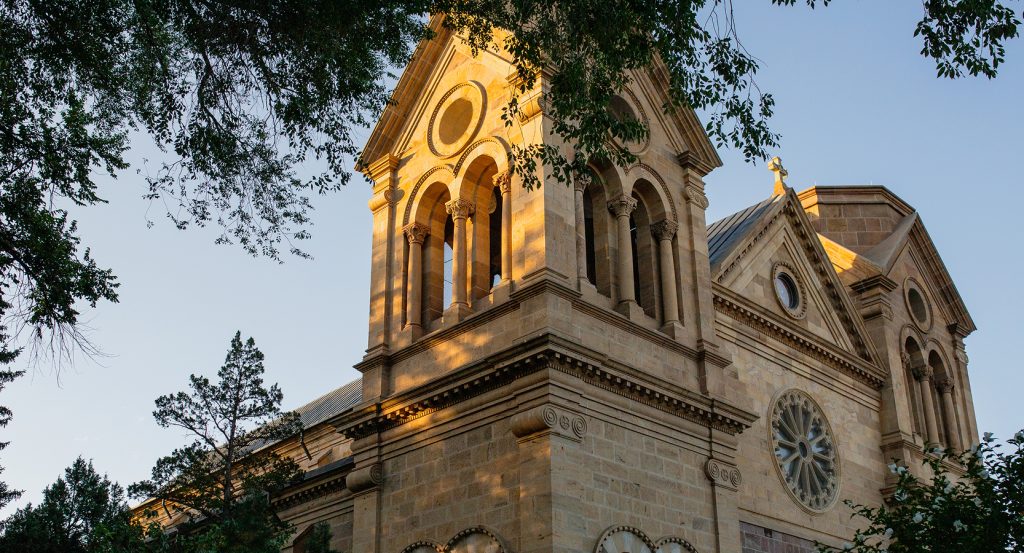
Why you should experience The Parador Santa Fe in Santa Fe, New Mexico.
The Parador Santa Fe is a refuge of settled restraint, a place where light, geometry, and quiet intention shape an experience that feels less like a hotel and more like a measured pause between the city's layers of history, climate, and spatial rhythm.
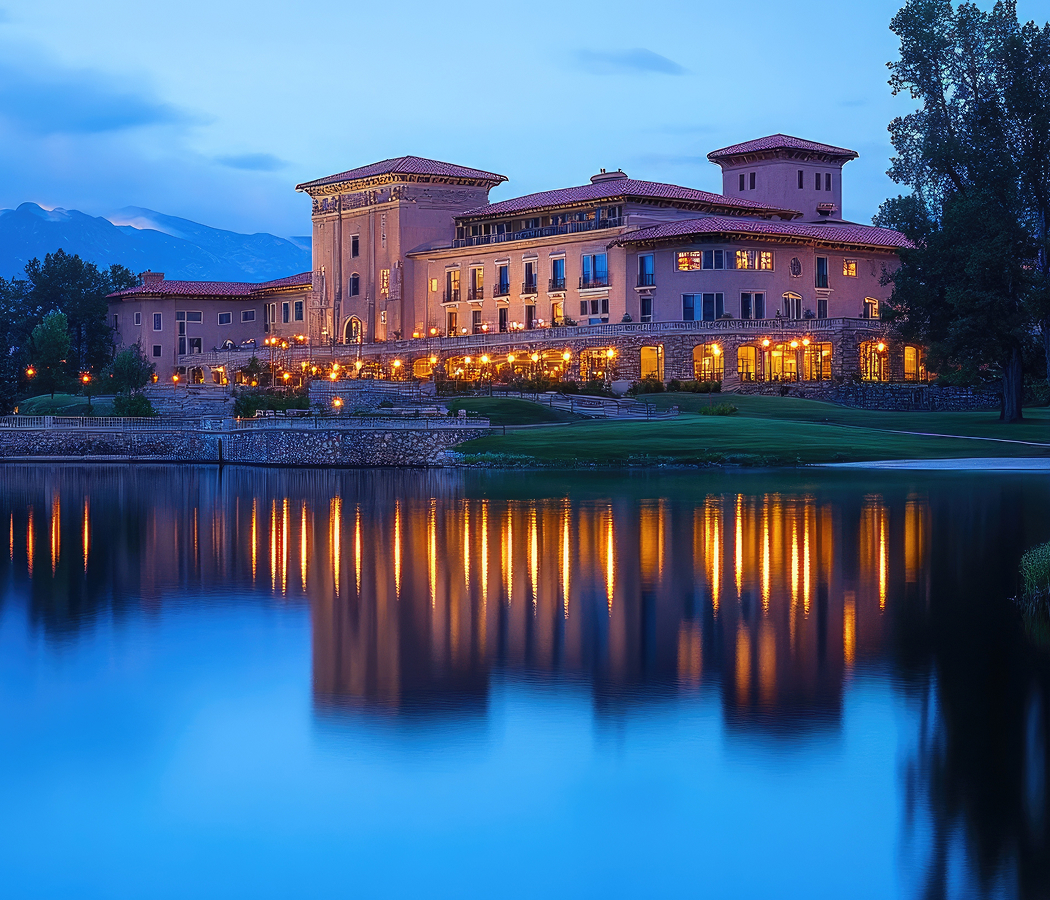
Set just steps from the Plaza yet oriented toward light and landscape. Instead, arrival feels like entering a courtyard conceived for balance: the sun establishes the agenda, adobe walls anchor the perimeter, and sightlines unfold subtly. The architecture embraces simplicity without austerity, allowing space and light to be the dominant frames. Public areas feel naturally transitional, zones where light moves through rooms. Instead of dramatic interiors, you'll find spaces that act as pauses: lounges that open to sky or courtyard, corridors that seem intentionally scaled to slow movement, and openings that frame light and sky with careful precision. Guest rooms reflect this focused restraint. Interiors favor proportion and tactility over layers of accoutrement. Beds are designed for rest at altitude, placed to take advantage of Santa Fe's light cycles. Furnishings are warm and intentional, with materials chosen to respond to sunlight. Windows provide visual access to courtyard gardens or calm streets, anchoring you in a waking sense of place. Bathrooms are composed and functional, built for ease of use and quiet reflection without distracting flourish. Across the property, the experience feels composed. Staying at The Parador Santa Fe feels like placing yourself within a thoughtful frame, where Santa Fe is experienced through clarity of space, light, and quiet movement.
What you didn't know about The Parador Santa Fe.
The Parador Santa Fe is designed around the interplay between architecture and climate.
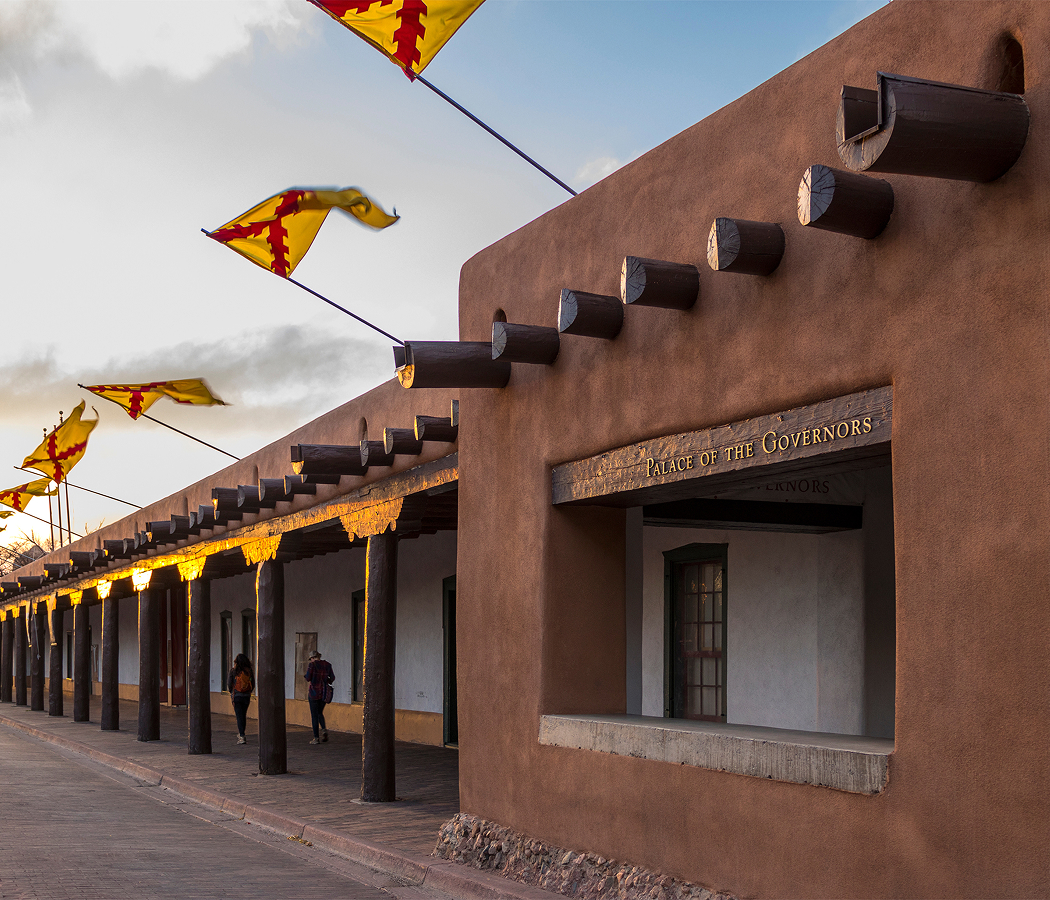
Rather than adopting a historical motif, the property treats Santa Fe's light and air as foundational materials of the experience. Adobe forms are used not for nostalgia but for practical qualities, they absorb heat, soften sound, and anchor internal rhythm. The layout intentionally blurs boundaries between indoor and outdoor space, so that movement feels less like transition and more like participation in the environment. This manifests in courtyard passages, garden moments, and openings that allow sun, shadow, and breeze to shape perception. Another understated element is how the design manages calm. Because interiors refrain from visual excess, sensory input from the city, the sun's reflection off rooftops, the sound of distant street life, the coolness of early morning, remains legible. This makes the hotel feel like an extension of Santa Fe's rhythm. Service culture at The Parador is equally intentional. Interactions are warm but unintrusive, grounded in local knowledge without performance. Staff offer guidance that reflects lived familiarity with Santa Fe's tempo, suggestions for early light at Canyon Road galleries, quiet moments on the Plaza, or timing for walks when the air shifts from sun to shade. There is no scripted hospitality cadence. Instead, the service supports the space's calm logic. Over multiple nights, guests often realize that the hotel's design doesn't just complement Santa Fe, it conditions the way you notice it. Eyes attune to light and shadow. Feet find routes that feel intuitive. Days begin and end according to the city's natural rhythms. The Parador Santa Fe does not aim to impress with gestures; it seeks to heighten engagement with what is already there.
How to fold The Parador Santa Fe into your trip.
The Parador Santa Fe works best when you let Santa Fe unfold with presence.
Begin mornings by stepping outside before the city fully wakes and letting the quality of light shape your movement. Because the hotel sits so close to the Plaza, walking becomes a natural cadence. You can explore museums, historic streets, and galleries without commitment to distance, knowing your base remains both accessible and quiet. Midday returns to the hotel feel like spatial resets. After hours of absorbing the city's intensity, stepping back into the inn's quiet spatial logic recalibrates attention. Rest briefly, read in a courtyard, or simply sit in the calm of controlled light before stepping out again. Afternoons lend themselves to selective wandering, Canyon Road's galleries, artisan shops, or quieter neighborhoods where rhythm feels local. Because the hotel's environment supports ease of return, you need not pace yourself by schedule. Evenings become gentle transitions. Dinner can be enjoyed nearby, and returning later feels like a natural extension of movement. Over several nights, Santa Fe begins to feel navigable and familiar. You begin to notice patterns, the way light changes at different hours, how streets shift from day to night, where quiet moments accumulate. The Parador Santa Fe supports this deepening engagement not by curating experience, but by reducing interference between your attention and the city's rhythms. By the time you leave, Santa Fe feels not merely seen, but lived in. The Parador Santa Fe offers a stay defined by presence, spatial clarity, and a thoughtful embrace of environment, where light, air, and calm shape experience more than ornament, and where the city's pulse reveals itself through quiet.
Where your story begins.
Start your planning journey with Foresyte Travel.
Experience immersive stories crafted for luxury travelers.